What makes a great coach? Game. Set. Match.
Building our coaching toolkit

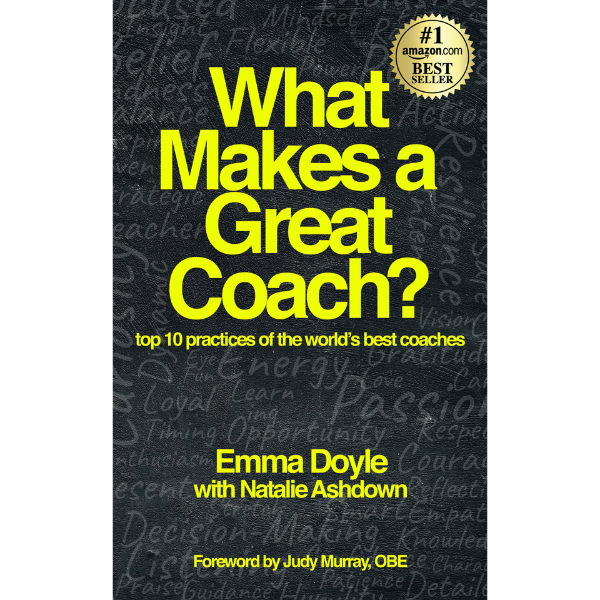
During Coaching Café this week we continue the momentum of focussing on the top 10 practices of the world’s best coaches from What Makes a Great Coach?



I have no idea how many tennis matches I’ve watched. However, at the end of each match, the umpire will announce: ‘Game. Set. Match’ to the winner.
With that, the match is finished. But the learning doesn’t stop. Furthermore, the game is analysed, debriefed and reviewed. In addition, re-watched, picked apart, and discussed. Long after the bags were packed on the tennis court and the racquets sent for re-stringing.
This is something that the corporate world can learn from elite sport.
We know that it leads to continuous improvement and high performance in our workplaces.
But sadly, in our opinion, it is not done often enough.
Anecdotally we have noticed an increasing trend towards an overlap with the end of one project and the start of others. In addition, the overlap of multiple significant projects, that have competing priorities. It’s not uncommon to be coaching clients around these multiple demands. And the sense of overwhelm and potential burnout is real.
What is interesting is that this overlap and intensity leaves little or no time to review. No time to analyse, debrief or focus on continuous improvement.
The exception to this would be sprints in IT projects that are using Agile methodology. This methodology includes daily standups to check on work progress towards the goals. Furthermore, sprint reviews to enable a showcase of the work. In addition, retrospectives to identity areas of improvement.
So one obvious starting point is to factor in the opportunity for continuous improvement on a regular basis. Not just at the end of projects. Or worse, left until the Christmas party or end of year function. But regular, scheduled reviews that ask good coaching questions (like the ones featured in our Leader as Coach program) and are focussed on:

The second area of focus is on ourselves. Specifically on our own learning and development. And we think this should be scheduled also. At the beginning of the year, rather than as an after-thought. Building your coaching toolkit is a life-long pursuit. Of course, you can take a look at our coaching program to advance your skills. But towards the end of the year and into the new year, this is a really good time to reflect.
Perhaps by asking yourself:
Or go even bigger picture, as famous tennis coach Gabe Jaramillo offers in What Makes a Great Coach?: What’s your dream?
What Makes a Great Coach? gives us the opportunity to reflect on our own coaching practices.
In this Coaching Café we share the research and stories around from the book. And most importantly we explore how you can continue to build your coaching toolkit.
Get your copy today!
And it’s official! What Makes a Great Coach? has hit Amazon #1 Best Seller in multiple categories Australia. We are so grateful for your support, messages and for helping us celebrate. Buy now or contact us if you want multiple copies and to access the special offers.
Every week our team of experts present “Coaching Cafe” webinar with topics for Managers, Leaders, Business Owners, and everyone who wants to be a better workplace coach, leading their teams to higher productivity, better outcomes and a happier, healthier workplace.




























 2022 – The year in Coaching Cafés