Mediation in the workplace
Workplace conflict resolution that makes a difference

We hear managers say ‘I’ve tried everything’ when it comes to resolving workplace conflict. For example, they try:
Indeed, all in an effort to ‘fix things’. Importantly, managers want the parties to resolve their issues. So they can ‘get on with’ their jobs. And be happy.
Similarly, when it comes to resolving workplace conflict, the parties in dispute say: ‘I just want to come to work; do a good job and go home!’.
Unfortunately, nothing seems to work. Things go ‘quiet’ for a short time. As a result, the the smallest of incident will make the conflict blow up again.
The cost of not resolving conflict in the workplace is significant.
Costs are measured in terms of:




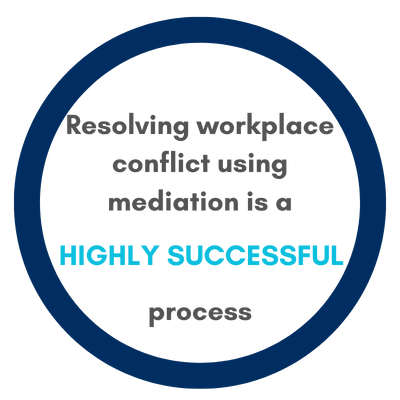
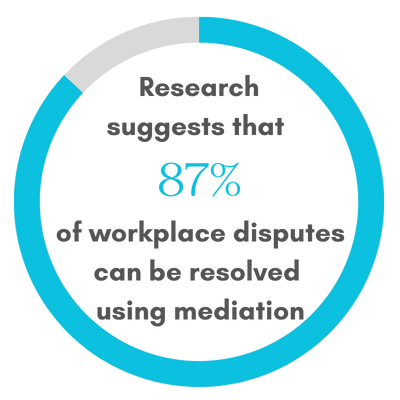
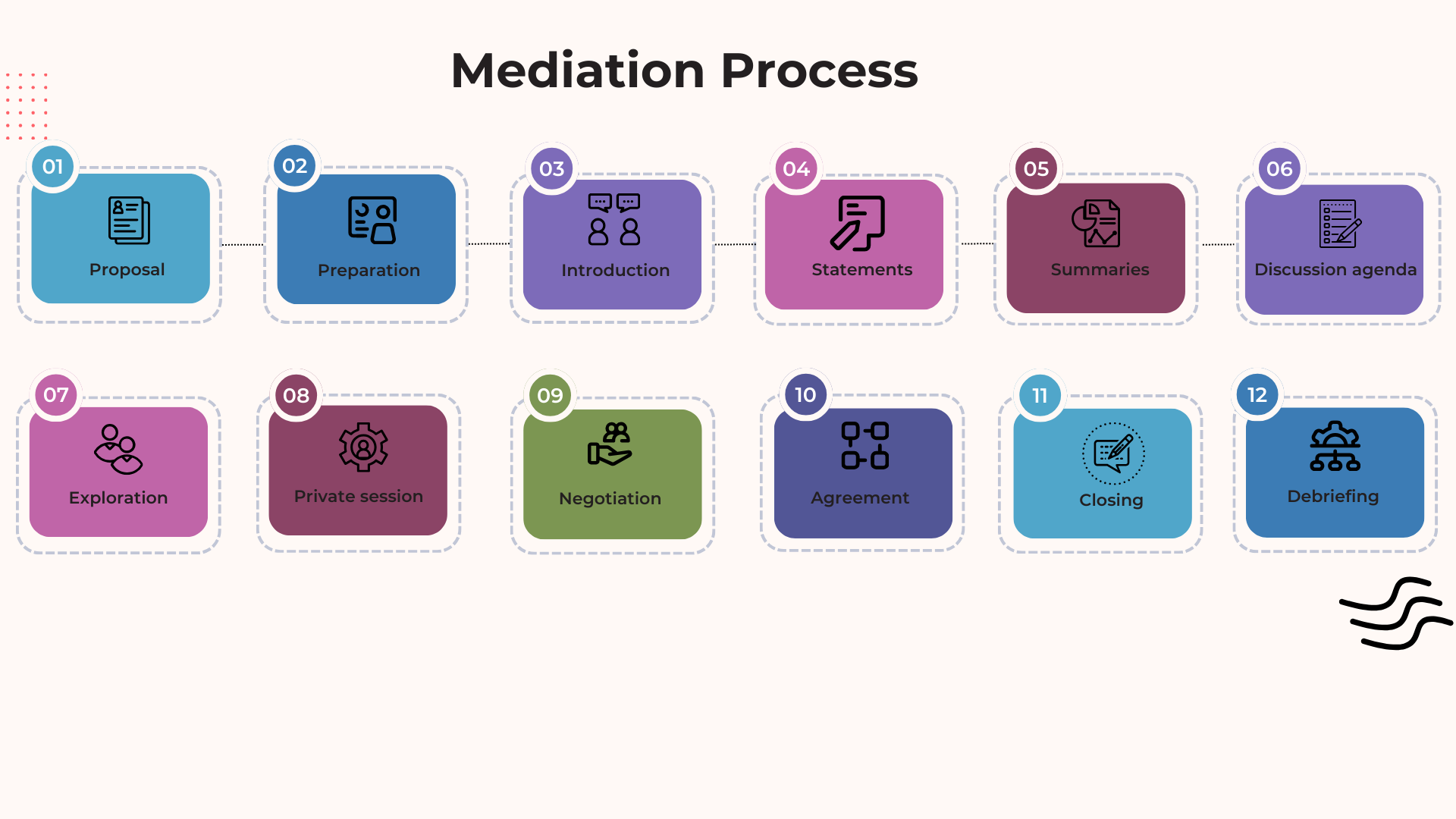
Workplace mediation is a formal process that helps people resolve workplace conflict. A trained mediator facilitates the process with the people involved in the conflict. In addition, mediation offers a safe and confidential environment, designed to allow the parties to:

Workplace mediation, (like a lot of processes) relies on the willingness of the parties to engage in the process. Often people have ‘had enough’ of the conflict. Clearly, they are tired and want to move on. Furthermore, the parties don’t want whatever is happening now, to continue. At this point, they are ready and willing to engage, in working towards a resolution using workplace mediation. In addition, to create an agreement that moves them forward. Interestingly, the agreement doesn’t have to be perfect. Parties look for something that everyone can live with. Consequently, because the parties came up with the solutions, then they are more likely to follow through.
Dr Natalie Ashdown, Head of Enterprise Solutions, Coaching, is a highly trained mediator and highly experienced and skilled coach. Importantly, Natalie completed her formal mediation training with Dispute Settlement Centre of Victoria. Furthermore, Natalie has an exceptional track record of helping people get back on track. In particular, not just resolving issues in the short term. But helping people find a resolution that is going to work well into the future.
To summarise, resolving workplace conflict is something that we are passionate about at Open Door. We want happy, healthy workplaces where people are proud to come to work and are high performing in their work.
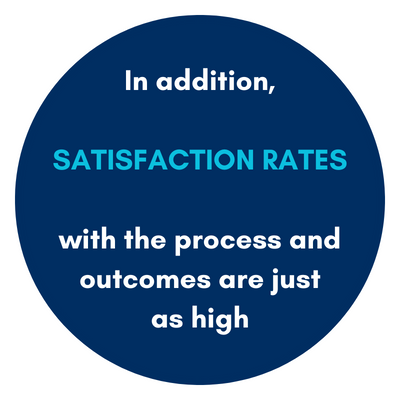
Subsequently, the use of mediation is a highly effective way to help you achieve your business outcomes.